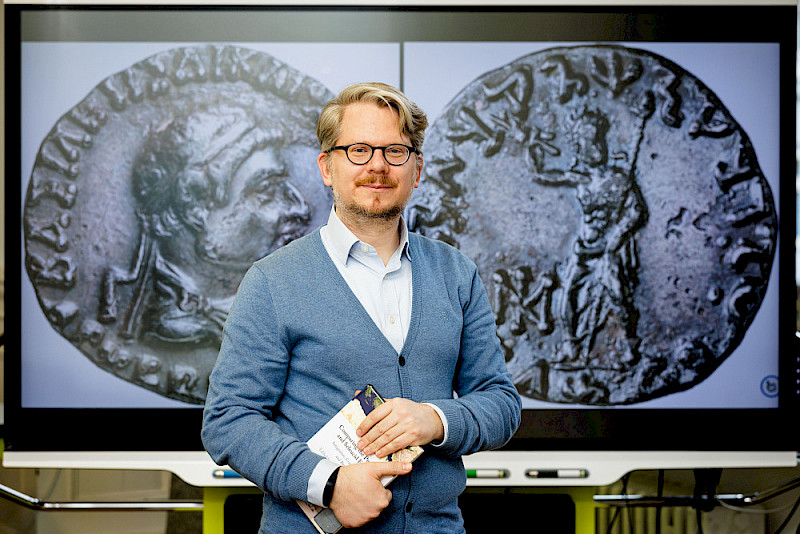
Der Mensch verändert den Planeten – und wirft damit neue Gerechtigkeitsfragen auf. Der Ethnologe Prof. Dr. Olaf Zenker erklärt im Interview, welche Einsichten die Ethnologie liefern kann. Read more

Der Mensch verändert den Planeten – und wirft damit neue Gerechtigkeitsfragen auf. Der Ethnologe Prof. Dr. Olaf Zenker erklärt im Interview, welche Einsichten die Ethnologie liefern kann. Read more

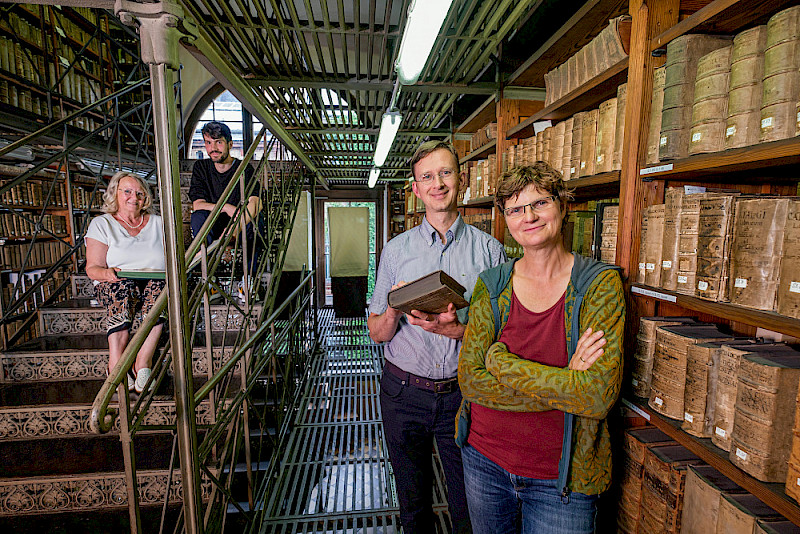
In Deutschland leben rund 2,5 Millionen sogenannte Russlanddeutsche. Einige haben noch den Zweiten Weltkrieg, die stalinistischen Deportationen und Zwangsarbeit erlebt. Über ihre Erfahrungen ist wenig bekannt. Zwei Historikerinnen der MLU wollen diese Lücke schließen, indem sie mit Menschen sprechen, die in den 1930er bis 1950er Jahren in der Sowjetunion geboren wurden und aus einer deutschen Familie stammen. Read more

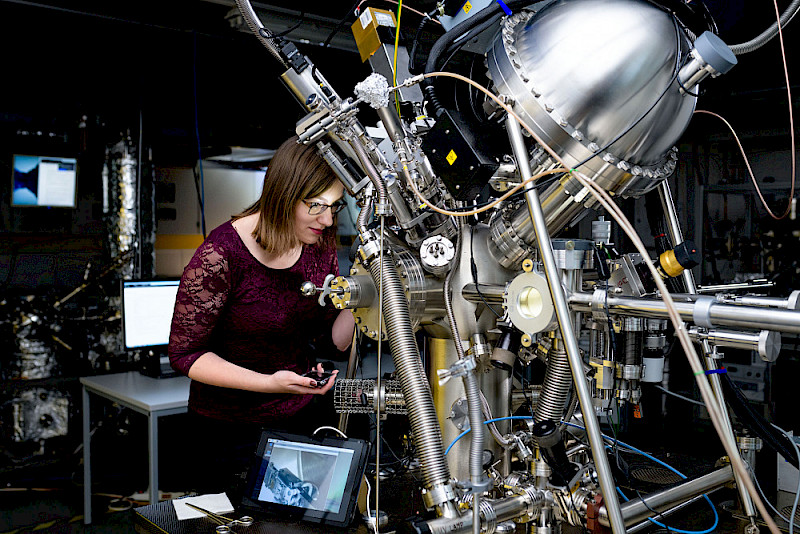
Vier Forscher der Universität Halle gehören zu den rund 6.900 meistzitierten Forschern weltweit. Das geht aus der neuen Analyse „Highly Cited Researchers 2025“ des Unternehmens „Clarivate“ hervor. In die Liste aufgenommen werden Wissenschaftlerinnen und Wissenschaftler, deren Arbeiten in den vergangenen Jahren besonders häufig zitiert wurden. Read more

Seine Forschung führt ihn manchmal in schwindelerregende Höhen: Der Biologe Dr. Peter Dietrich erforscht Mikroorganismen in und auf Bäumen, von der Krone bis hinunter zur Wurzel. Mit Hilfe modernster Sequenzierungstechnik will er verstehen, wie sich zum Beispiel der Klimawandel auf die Gemeinschaft dieser Organismen auswirkt und welche Folgen das wiederum für die Bäume hat. Read more

How can digital innovations help to improve the healthcare and nursing sectors? This question is addressed by a large-scale collaborative project that was set up at the Faculty of Medicine in 2019. And with great success – over 80 follow-up projects are now being orchestrated in five model regions with a budget of up to 140 million euros. Read more

Biodiversity research is a key strength of the Martin Luther University. This is demonstrated by the “Faktencheck Artenvielfalt” (German Biodiversity Assessment), the first comprehensive time series analysis of biodiversity in Germany. Scientists at MLU played a major role in the study. Read more

In Saxony-Anhalt, the “Digitalization of Plant-Based Value Chains” (DiP) project consortium is advancing the connection between high-tech and plantbased value creation. With drones, genome research, digitalization, and sustainable production methods, a model region is emerging for the future of the bioeconomy. Read more

How do individual mutations affect the structure and function of proteins in plants? A new Collaborative Research Centre at the University of Halle is looking into this issue. In the long term, this research could help to better prepare plants for the consequences of climate change and help to develop customised proteins. Read more

Germany has decided to gradually phase out the use of coal to generate electricity by 2038. What does that mean for Saxony-Anhalt? What opportunities can be found in the region? What are the challenges? The European Center of Just Transition Research and Impact-Driven Transfer (JTC) provides answers to these questions. The aim is to work with local districts to develop research-based solutions for their future development. The first branch office was opened in Zeitz on 4 June. Read more