
Excellent Materials

Success does not occur by chance. When the decision was made on 22 May 2025 as to which Clusters of Excellence would receive funding starting in 2026, Martin Luther University had thoroughly prepared everything. The application for the joint research project had been finished for a while and had passed the German Research Foundation’s assessment with flying colours. And MLU had significantly strengthened its scientific profile once again through two new strategic appointments in the field of solid-state physics.
The hard work paid off: The university finally succeeded in securing one of the coveted million-euro Cluster of Excellence grants. MLU was awarded funding for the “Center for Chiral Electronics”, which will be jointly run by MLU, Freie Universität Berlin and the University of Regensburg as equal partners, together with the Max Planck Institute (MPI) for Microstructure Physics in Halle. Here, researchers from the fields of physics and chemistry will work together on joint issues across different locations. One of the project leaders in the Cluster of Excellence is Dr Niels Schröter, who was newly appointed as a professor at MLU in May 2025 as part of the strategic strengthening of the research area.
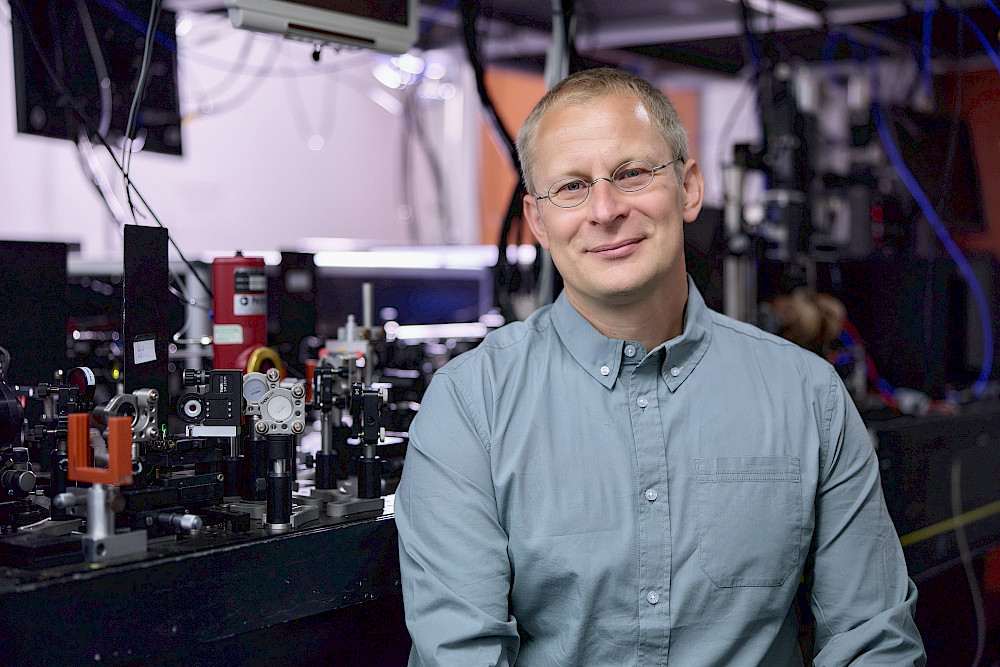
A sought-after scientist, Schröter was part of the application team from the beginning. Before joining MLU, he conducted research at MPI in Halle. Not only does he continue to lead his own Max Planck research group there, he heads up a project that is receiving 2.4 million euros in funding from the European Research Council (ERC). His research focuses on chiral quantum materials, which also play a key role in the Cluster of Excellence. The physicist first came up with the idea of studying these exotic materials during his time at the Paul Scherrer Institute in Switzerland: “We discovered that there is a new type of quasi-particle in solid-state materials that should not exist as a free elementary particle. We found these in chiral materials.” Since then, the scientist has devoted himself to this topic. Now the physicist is bringing his expertise and his international network with him to the “Center for Chiral Electronics” and other consortia.
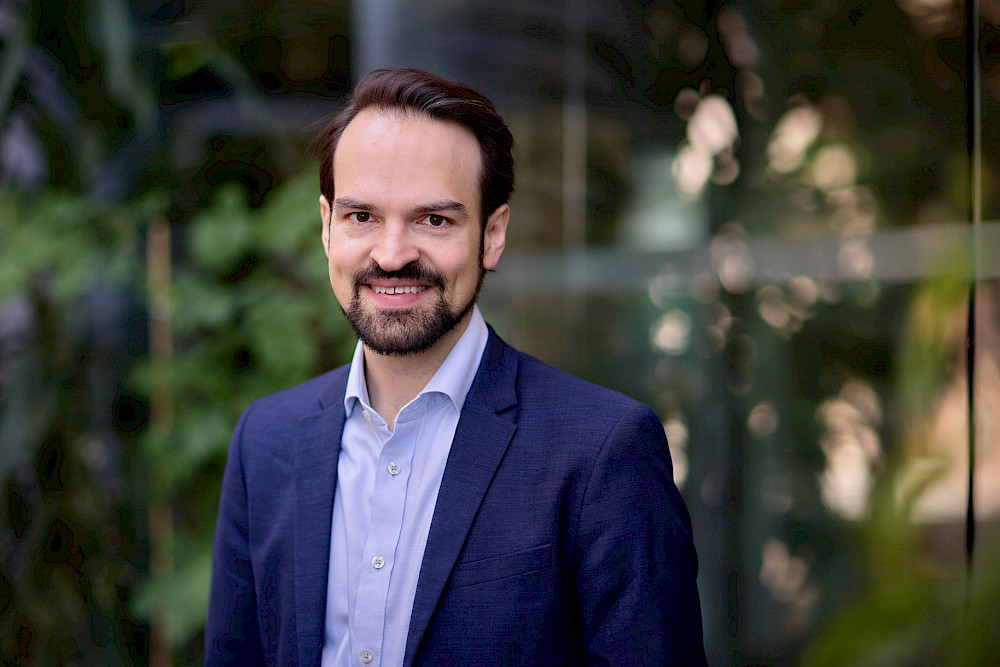
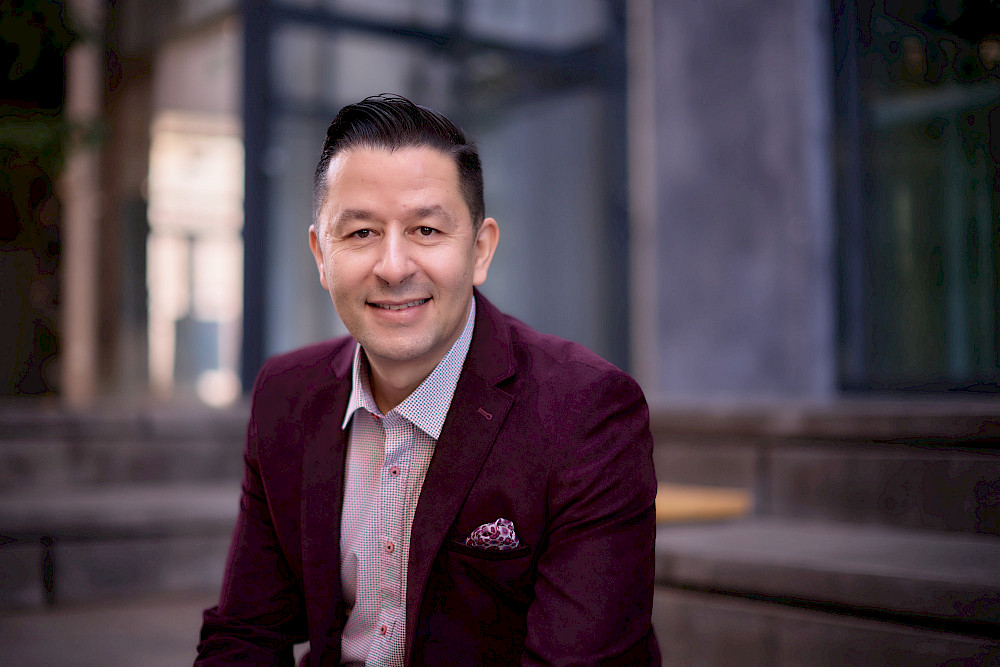
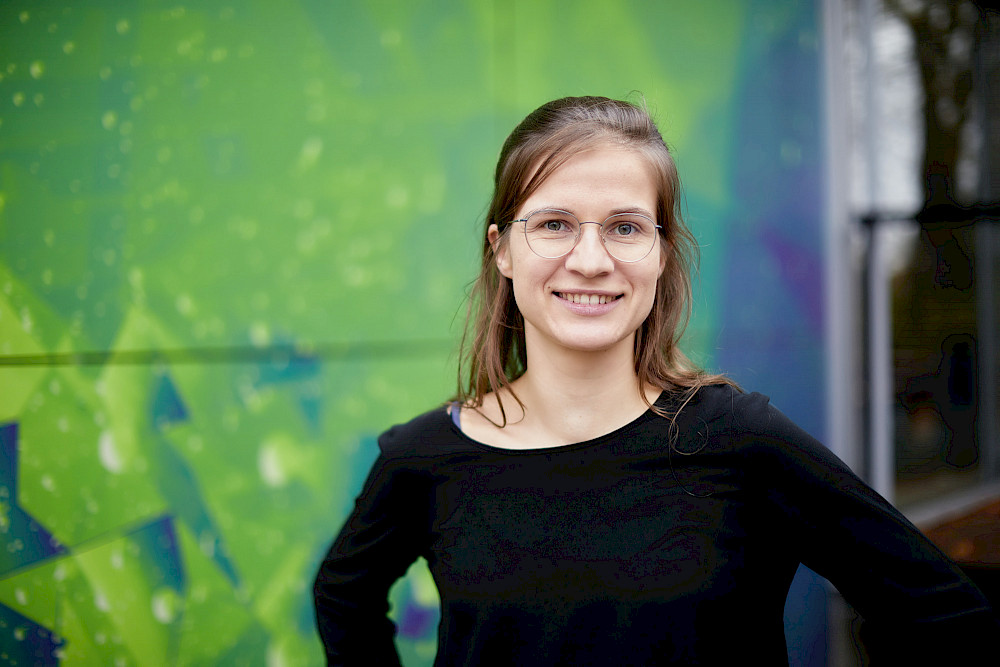
In January 2025, Professor Samir Lounis moved from the Forschungszentrum Jülich to MLU to take up the Chair of Solid state Quantum Theory. Lounis is an experienced and internationally renowned scientist who uses complex calculations and simulations to investigate quantum phenomena in solids. The team at MLU received further support starting in February 2026 in the form of Professor Annika Johansson, who has taken up another chair of theoretical physics at the university. The physicist most recently worked at MPI in Halle as part of the Minerva Fast Track Programme, an exclusive programme that only accepts six outstanding female scientists each year out of all 85 Max Planck Institutes and research facilities. Johansson brings her expertise in orbital nonlinear electronic transport phenomena to the CCE. “The three appointments are an ideal addition to our university and put us in a good position, even by international standards,” says CCE spokesperson Professor Georg Woltersdorf from MLU.
The aim of the CCE’s research is to lay the groundwork for a whole new generation of storage and information technology. One of the biggest problems facing modern microelectronics is that computer chips, for example, can no longer be made arbitrarily smaller and more efficient. Existing materials are reaching their physical limits in terms of storage capacity, computing speed and energy efficiency. At the same time, power consumption and data traffic continue to increase as the data infrastructure vastly expands to support artificial intelligence, streaming and cloud services.
In its search for solutions to these challenges, the CCE research team drew inspiration from a special property in nature: chirality. It means that an object cannot be superimposed on its mirror image through rotation and translation. One example are the human hands, which are similar but not identical. Chirality is a key principle in nature, right down to the level of the elementary particle, and can give objects intrinsic stability and many other properties. Surprisingly, until now, chirality is not used at all in electronics.
The CCE team is setting out to change this. The researchers are developing new chiral materials and combining them with concepts for ultra-fast and efficient electronics. This includes, for example, spin, the intrinsic angular momentum of electrons that turns them into magnetic objects. In the future, spin is to be used in electronic devices and components alongside electrical charge, for example to transmit information. Spin electronics is also to be combined, via chirality, with other approaches to novel electronics, for example superconductivity, in which electricity flows without resistance. “We are working on a fundamentally new class of materials for future storage technologies that will overcome the limitations of previous technologies,” says Woltersdorf.
However, the focus is still on basic research: a deeper understanding of chiral phenomena is needed, as well as more knowledge about how these can be controlled at the atomic level and on an ultra-fast time scale. For Niels Schröter, the Cluster of Excellence combines everything that excites him about this area of research: “It is a great privilege to be part of this excellent team and to help turn Halle into a leading centre for chiral materials.”
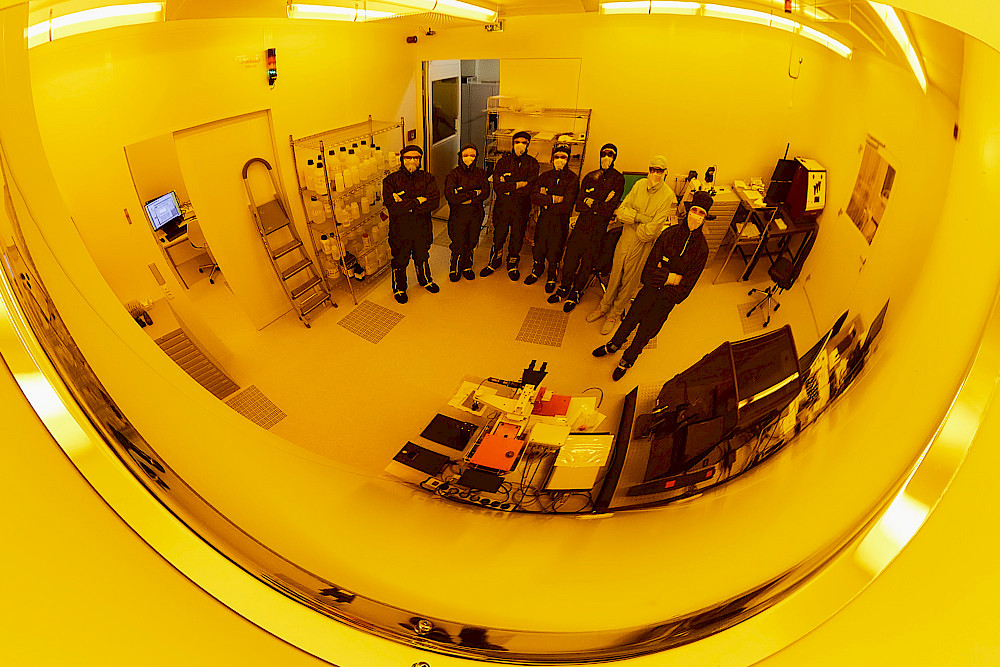
In Halle, the establishment of the Cluster of Excellence is in full swing, and the first experiments are up and running. The joint graduate academy has also commenced operations. In addition, a new Chair of Organic Electronics is to be established at MLU for the CCE.
Further information at:
www.chiralelectronics.de
Excellent Enlightenment Studies
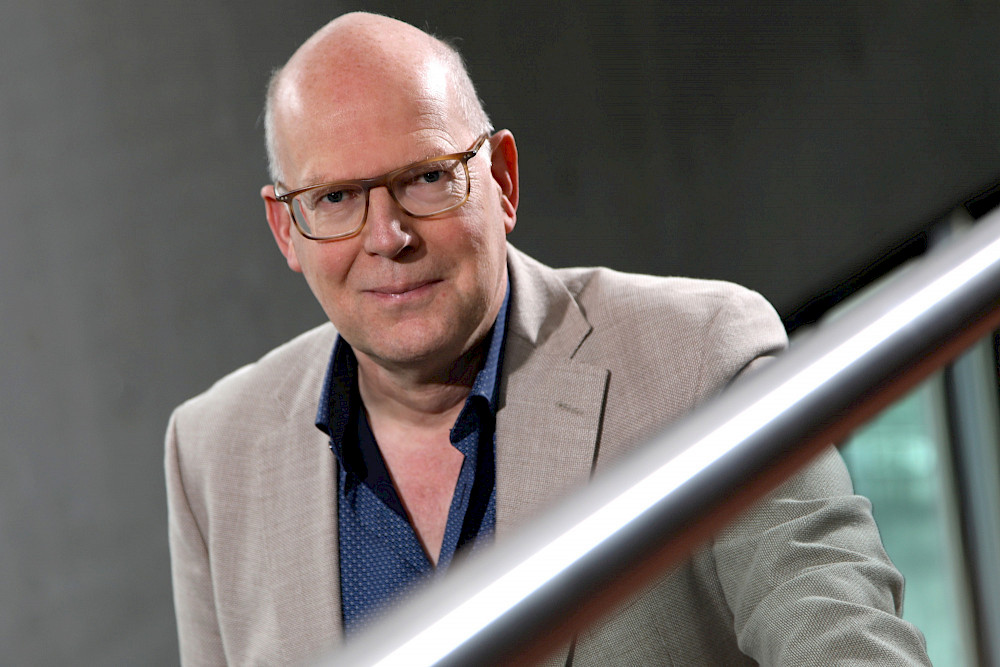
MLU is not only home to its own Cluster of Excellence, it also participates in the University of Jena’s Cluster of Excellence “Imaginamics: Practices and Dynamics of Social Imagining”. There, Professor Daniel Fulda, a literary scholar and Enlightenment researcher, lends his expertise to the newly approved cluster.
The cluster examines the practices of social imagining that produce worldviews and visions of the future shared by many people. The main question is how these shared ideas enable society to function as a society and how, for example, conflicts are able to arise or be resolved. Fulda heads the research group “Enlightenment Now!? – Conflicting Imaginations of Enlightenment in Contemporary Crisis Debates”, which examines contemporary ideas about enlightenment by, for example, analysing current debates on social media.